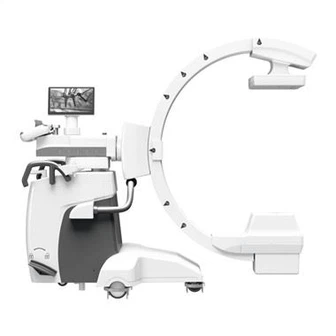
What We Can Do With The Endovascular Robotic System
Products are the results of technology's deep understanding of human interaction.
Before the Industrial Revolution, surgery was very dangerous, and most of the time even ineffective. The advent of anesthesia and aseptic technique revolutionized the practice of surgery, opening the door to previously unimaginable technological advances that have saved and improved countless lives.
While modern surgery is more efficient and safer than at any time in human history, it is still a complex undertaking, requires strong scientific expertise, long-term training and "physical acuity" of the practitioner.
Four goals of robotic-assisted surgery:
The better results
The lowest costs
The better patient experience
The better healthcare team experience
When a hospital acquires a surgical robot, what it acquires is not just a complex hardware, but a large system composed of software and hardware, with the function of recording, collecting and analyzing surgical behavior and data. These capabilities can help physicians improve surgical skills, help reduce overall costs, and optimize the patient experience.