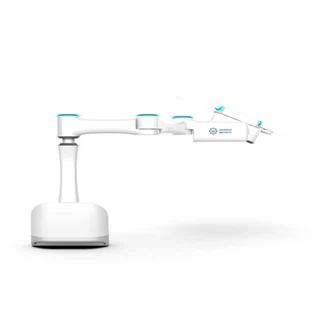
DSA in the Treatment of Liver Tumors
DSA (Medical Digital Subtraction Angiography X-ray System) plays a critical role in the diagnosis and treatment of liver tumors. It provides high-resolution, real-time vascular imaging, enabling precise assessment and targeted interventions. Below are the key applications of DSA in the treatment of liver tumors:
1. Diagnosis and Pre-Treatment Planning
Vascular Mapping: DSA allows for detailed visualization of hepatic arterial anatomy, identifying feeding vessels of liver tumors and assessing vascular variations.
Tumor Blood Supply Analysis: By highlighting tumor-feeding arteries, DSA facilitates the determination of tumor vascularity and size, aiding in accurate diagnosis.
2. Interventional Treatments
Transarterial Chemoembolization (TACE):
DSA is essential for guiding catheter placement into tumor-feeding arteries during TACE procedures.
Real-time imaging ensures precise delivery of chemotherapeutic agents and embolic materials to the tumor site, sparing healthy tissue.
Radioembolization (TARE):
DSA guides the infusion of radioactive microspheres directly into the liver tumor's blood supply, minimizing systemic exposure.
Ablation Support: In combination with other imaging modalities, DSA assists in needle guidance for thermal or chemical ablation therapies.
3. Post-Treatment Evaluation
Treatment Effectiveness: DSA can assess the success of embolization procedures by confirming the blockage of tumor-feeding arteries.
Follow-Up Imaging: Periodic DSA imaging helps monitor for tumor recurrence or progression.
4. Minimally Invasive Nature
DSA-guided interventional therapies are less invasive than traditional surgical methods, offering shorter recovery times, reduced complications, and improved quality of life for patients with liver tumors.
Conclusion
DSA serves as a cornerstone in the management of liver tumors, enabling accurate diagnosis, precise treatment, and effective follow-up. Its integration with advanced interventional techniques continues to enhance outcomes for liver cancer patients.