What is the role/purpose of the hospital interventional department?
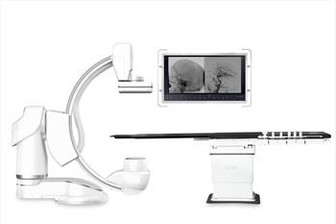
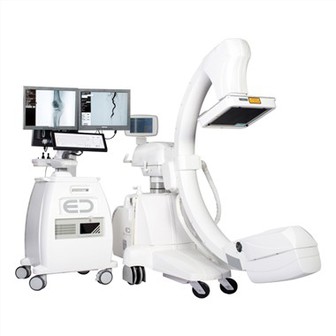
The Hospital Interventional Department (Interventional Radiology/Interventional Medicine) is regarded as the third major clinical specialty, bridging internal medicine and surgery. It primarily relies on imaging guidance-such as DSA, CT, and ultrasound-to introduce devices including catheters and guidewires through tiny incisions (typically only a few millimeters) to treat lesions. This approach is characterized by being non-surgical, minimally invasive, and enabling rapid recovery.
Focusing on minimally invasive treatment of vascular diseases, tumors, and non-vascular organ conditions, the department is often referred to as the hospital's "special forces" due to its precision and efficiency.
Key clinical responsibilities include:
1. Tumor Treatment: Procedures such as embolization, chemoperfusion, and radiofrequency ablation to physically inactivate tumors, including liver cancer, lung cancer, and uterine fibroids.
2. Vascular Diseases: Management of arterial stenosis, vascular occlusion, aneurysms, and venous thrombosis, commonly through stent implantation and thrombolytic therapy.
3. Emergency Hemorrhage Control: Emergency embolization to control bleeding in cases of hemoptysis, gastrointestinal bleeding, postpartum hemorrhage, and traumatic bleeding.
4. Non-Vascular Interventions: Including stent placement for esophageal, biliary, or tracheal stenosis, as well as image-guided puncture and drainage of abscesses and cysts.
The Interventional Department typically manages complex and high-risk conditions that are difficult to treat with medication alone and carry significant risks with conventional surgery.