What is the actual patient experience like during a DSA procedure?
It is completely normal to feel a bit anxious about a procedure that sounds as highly technical as "Digital Subtraction Angiography." The good news is that while the machine is doing complex math, the experience for the patient is straightforward and heavily focused on keeping you comfortable and pain-free.
Here is exactly what you can expect from the moment you lie down, along with a candid look at the safety considerations.
The Patient Experience: Step-by-Step
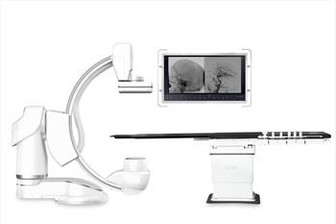
1. Getting Settled You will lie flat on a specialized, padded table in a room that might feel a bit cold and look like a high-tech operating theater. The medical team will connect you to monitors to track your heart rate and blood pressure, and they will start an IV in your arm to give you fluids and a mild sedative. You will likely be awake, but deeply relaxed and drowsy.
2. Numbing the Site The doctor will clean the area where the catheter will go in-usually the groin (femoral artery) or the wrist (radial artery). They will inject a local anesthetic to completely numb the skin and surrounding tissue. You will feel a quick pinch and a sting from the needle, but after that, you shouldn't feel sharp pain.
. Threading the Catheter A tiny, flexible tube (the catheter) is inserted into the artery. Because our blood vessels do not have nerve endings on the inside, you will not feel the tube moving through your body. You might just feel a vague sensation of pressure at the insertion site.
4. The "Hot Flush" (The Contrast Dye) This is the part that surprises most people. When the doctor injects the contrast dye to make your blood vessels visible to the X-ray, you will likely feel a sudden, intense wave of heat spreading over your body.
It often feels like a heavy hot flash, or even like you have suddenly wet your pants (don't worry, you haven't).
You might also get a temporary metallic taste in your mouth.
This sensation is completely normal and usually fades within 15 to 30 seconds.
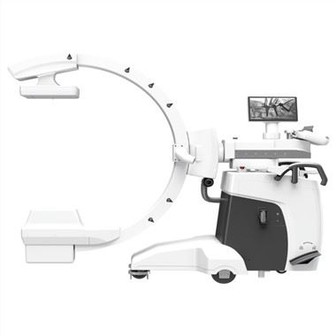
5. Taking the Pictures As the dye flows, the large C-shaped camera will swing around you. The team will ask you to hold perfectly still and hold your breath for a few seconds at a time so the "mask" images match up perfectly with the dye images. If you move, the computer's subtraction math won't align.
6. Recovery Once finished, the catheter is removed, and firm pressure is applied to the site for about 10–20 minutes to stop the bleeding. If the doctor went through your groin, you will need to lie completely flat in a recovery room for 2 to 6 hours before going home to ensure the artery seals properly.
Understanding the Risks
Like any medical procedure, DSA involves weighing the risks against the critical need for an accurate diagnosis. The medical team manages these closely.
1. Contrast Dye Risks
The contrast agent used in DSA is iodine-based and must be filtered out of your body by your kidneys after the scan.
Kidney Stress: If you already have compromised kidney function, the heavy dye can cause further damage (known as contrast-induced nephropathy). Doctors always check your kidney bloodwork before approving the procedure. If you are at risk, they will give you extra IV fluids before and after to help flush the kidneys.
Allergic Reactions: Mild reactions like hives or itching happen occasionally. Severe allergic reactions (anaphylaxis) are very rare. If you have a known iodine or contrast allergy, doctors can give you steroids and antihistamines beforehand to prevent a reaction and proceed safely.
2. Radiation Exposure
DSA uses ionizing radiation (X-rays). The dose is higher than a standard chest X-ray because it involves rapid, continuous video imaging. However, the advanced flat-panel detectors discussed earlier are highly efficient, keeping the dose as low as possible. In a medical context, this is a calculated trade-off: the long-term risk from the radiation is very small, whereas the risk of an undiagnosed vascular issue (like a brain aneurysm or severe blockage) is immediate and life-threatening.
3. Puncture Site Risks
The most common complication is a bruise or a small lump of blood (hematoma) at the site where the catheter was inserted. In rare cases, the artery could be injured or an infection could develop, which is why the sterile setup in the room and the post-procedure pressure hold are so strictly enforced.