Understanding the Different Types of C-Arm Imaging Devices in Medical Practice
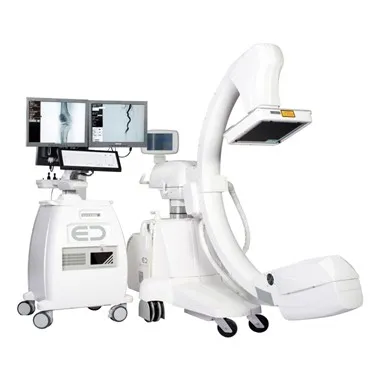
C-arm imaging devices are essential tools in modern medicine, particularly in surgery and interventional procedures. Named for their distinctive C-shaped arm that connects the X-ray source and detector, these machines come in three main types.
1. Mobile C-Arm, Orthopedic C-Arm
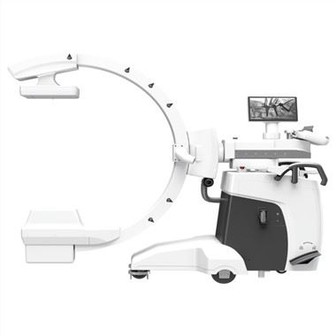
Also known as the C-arm X-ray machine or orthopedic C-arm. It is widely used in orthopedic procedures for bone alignment, fracture reduction, and internal fixation (nailing). It also supports surgeries involving foreign body removal, pacemaker implantation, and some interventional procedures.
Additionally, it can assist in pain management (e.g., with ozone therapy), minimally invasive needle knife treatment, and gynecological surgeries like fallopian tube guidance.
Mobility: Portable and flexible, commonly used in operating rooms.
Popularity: High usage rate, especially in secondary hospitals.

2. Peripheral Interventional C-Arm
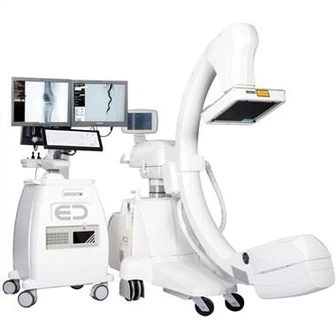
The Medium C is a more advanced version often referred to as the peripheral interventional C-arm. It incorporates many Digital Subtraction Angiography (DSA) functions, allowing it to perform a wide range of minimally invasive and interventional procedures.
It supports over 80% of procedures typically handled by the more powerful Big C, making it highly versatile.
Clinical uses:
Neurosurgical angiography
Digestive interventions like ERCP and esophageal stent placement
Tumor treatments for liver and kidney
Limb angiography
Minimally invasive pain procedures for the spine
Gynecological surgeries such as uterine fibroid and fallopian tube reconstructions
Design: Combines moderate mobility with enhanced functionality, offering a balance between flexibility and power.

3.DSA
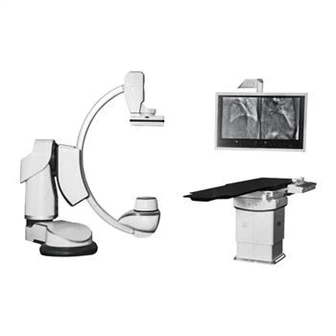
The DSA (Digital Subtraction Angiography) system, is the most advanced type. Fixed to either the ceiling or floor, it provides high-resolution vascular imaging and supports complex diagnostic and therapeutic procedures for the entire vascular system.
Power: Typically greater than 80kW, enabling deep and detailed imaging.
Functionality: Offers the highest level of precision for detecting and treating vascular diseases.
Applications: Widely used in neurology, cardiology, oncology, and major vascular interventions.