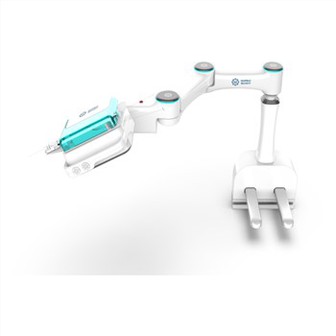
The Function of Hepatic Artery Infusion Chemotherapy
Hepatic Artery Infusion Chemotherapy(HAIC) is Into the hepatic artery by endovascular interventional technique, Injecting antitumor drugs directly into the hepatic artery through the catheter to complete the perfusion of chemotherapeutic drugs.
Compared with systemic chemotherapy, infusion of chemotherapeutic drugs in the hepatic artery can increase the local drug concentration in tumor tissue. At the same time, it reduces the distribution of chemotherapeutic drugs in other organs, thereby producing a strong anti-tumor effect and reducing systemic side effects.

Advantages:
1. The incidence of adverse reactions is low, and the indications are broader.
2. It has little impact on subsequent surgical operations.
3. The effect of chemotherapy drugs is maximized by instilling slowly over a long period of time.
Traditional hepatic arterial infusion chemotherapy involves puncturing the femoral artery at the root of the thigh and placing a catheter into the hepatic artery. Although the therapeutic access established by femoral artery puncture is relatively easy to intervene, but needs to keep lower limbs straight and immobilized.
Radial access via the patient's wrist offers the following advantages:
1. Less damage: operation through the radial artery, the patient can move freely after the operation
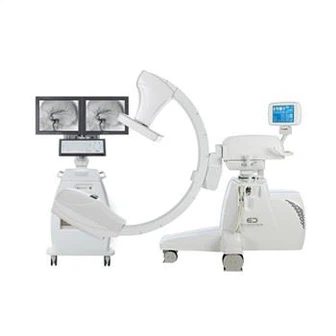
2. Minimally invasive operation: there is only a small needle eye at the puncture point; digital subtraction angiography system guides the operation to precisely achieve the targeted killing of the lesion.
3. Low risks of bleeding complications