Peripheral Intervention in Interventional Medicine
The most common peripheral vascular disease is vascular obstruction of the lower extremities. If it is not treated in time, it may lead to amputation or even sudden cardiac death. It is reported that among people over 60 years old, the incidence rate of peripheral vascular disease is as high as 10%; among people over 65 years old, the incidence rate of arteriosclerosis obliterans is as high as 20%.
What is Peripheral Vascular Disease?
Peripheral vascular refers to all blood vessels except the heart and intracranial blood vessels, and peripheral vascular disease, in short, refers to all vascular diseases except cardiovascular and cerebrovascular diseases, mainly including diseases of the arteries, veins and lymphatic systems.
Atherosclerosis is the most common cause of peripheral vascular disease. Due to physiological or pathological factors, the fatty substances accumulated in blood vessels are mixed with calcium, scar tissue and other substances to form relatively hard plaques.Then the channels in the blood vessels will be affected by these plaques, forming blockages and narrowing, which will affect the blood flow, and even completely block the blood vessels in severe cases.
Other common predisposing factors include: thrombosis, diabetes, high blood pressure, hyperlipidemia, etc. These diseases can accelerate the process of atherosclerosis; factors such as arteritis, infection, and vascular structural defects can also cause damage to the vessel wall.

Peripheral vascular disease "savior" - peripheral intervention
At present, for peripheral vascular diseases with high morbidity and high disability rate, medical treatment has little effect, and surgical treatment is mostly invasive treatment, and the effect is limited.
With the continuous development of interventional medicine, interventional technology has become more and more mature, and is widely used in the treatment of diseases other than cardiovascular and cerebrovascular diseases. Among them, peripheral vascular intervention has become a major branch of interventional therapy, and the first choice for peripheral lower extremity vascular obstruction is interventional therapy, and stent placement is one of the most commonly used interventional methods.
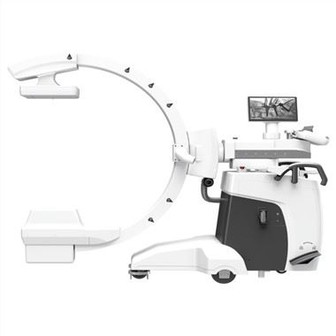
Peripheral intervention is also guided by imaging equipment (angiography machine, CT MRI, ultrasound), inserting puncture needles, catheters and other interventional equipment into the lesion, and directly performing local diagnosis and treatment of the disease.