How Is Interventional Radiology Transforming Modern Minimally Invasive Medicine?
The Power of Minimally Invasive Care
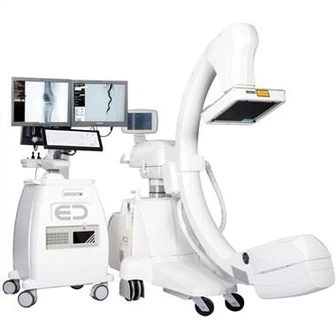
Have you ever wondered how doctors can treat complex conditions like blocked arteries or certain cancers without major surgery? The answer often lies in a medical specialty called Interventional Radiology (IR). Using advanced imaging techniques like X-rays and CT scans as their guide, interventional radiologists can perform minimally invasive procedures through tiny incisions, often leading to less pain and faster recovery for patients.
Key Areas of Treatment in Interventional Radiology
The range of diseases and conditions treated by IR is remarkably wide, spanning multiple body systems:
Tumor Management: IR offers targeted treatments for various cancers, including liver, lung, kidney, and pancreatic cancer. Techniques like chemoembolization deliver cancer-killing drugs directly to a tumor, and IR is also effective for non-cancerous growths like uterine fibroids, liver hemangiomas, and cysts.
Vascular Conditions: As a leader in treating blood vessel problems, IR can open up narrowed or blocked arteries in the neck (carotid artery) or legs, treat blood clots, and repair dangerous vessel bulges known as aneurysms.
Bleeding Control: In emergencies, IR can be life-saving by locating and blocking bleeding vessels without open surgery-whether the bleeding is in the stomach, lungs, or from organs like the liver and spleen after trauma.
Non-Vascular Blockages: When vital pathways become narrowed, IR can place stents to open blocked food pipes (esophagus), bile ducts (relieving obstructive jaundice), or ureters, alongside procedures like vertebroplasty for spinal fractures.
Gynecological Issues: For women facing infertility due to blocked fallopian tubes, IR procedures can sometimes clear these passages to improve the chances of pregnancy.
Pain Management: IR provides targeted options for managing chronic pain, including severe lower back pain and discomfort from advanced cancers, often by precisely addressing specific nerves.
The Future of Patient Care: Interventional Radiology provides a powerful, less invasive alternative to traditional surgery for a vast array of conditions, playing an indispensable role in modern healthcare by maximizing precision while minimizing patient trauma.