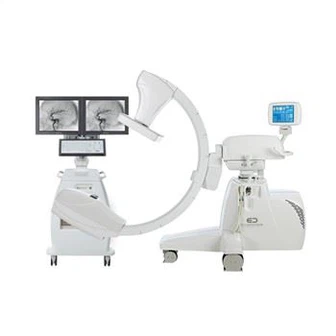
Bioembolism in Interventional Therapy
Embolism is a serious medical condition that occurs when a blood clot or other foreign material blocks a blood vessel in the body. One way to treat this condition is through a surgical procedure known as embolization. During this procedure, a material is introduced into the bloodstream that will clot around the embolism and prevent it from traveling further.

This material is typically referred to as an embolic agent or thrombogenic substance. Some common materials used for embolization include coils, particles, and glue. These substances are designed to be small enough to navigate through the bloodstream and reach the site of the embolism, where they can then solidify and prevent further blockage.
One of the most effective embolic agents is a substance called Onyx. Onyx is a liquid material that can be injected directly into the blood vessel, where it will solidify and create a permanent blockage. It is particularly useful for treating brain aneurysms and arteriovenous malformations (AVMs), which can be difficult to treat with other methods.
Another embolic agent that is commonly used is ethanol. This substance can be injected into blood vessels to cause a controlled injury, which then triggers the formation of a clot. Ethanol is often used for the treatment of liver cancer, as it can effectively stop the blood supply to the tumor.
Overall, embolization is a highly effective and minimally invasive method for treating embolisms. By using specialized embolic agents, surgeons can safely and effectively block blood flow to affected areas, reducing the risk of complications and improving patient outcomes.